
Welcome Bonus
150% up to $700
Boost your bankroll from day one with an extra-large match
BonusIn the fast-paced world of app development, Generic 28 stands out as a revolutionary force transforming how developers tackle complex projects. As technology continues to evolve, so too do the tools developers need to create dynamic and efficient apps. Generic 28 promises to enhance development workflows, making it a sought-after tool for professionals seeking cutting-edge solutions.
Throughout this page, we will explore the capabilities and advantages of Generic 28 in app development. From understanding its core components to learning how to seamlessly integrate it into your existing app frameworks, you'll discover why Generic 28 is touted as a game-changer for mobile applications. Join us on this journey into the potential of modern app ecosystems.
Welcome Bonus
Boost your bankroll from day one with an extra-large match
BonusWelcome Bonus
Spin for free and get your deposit matched instantly
BonusWelcome Bonus
Double your first top-up and start with a bigger playroom
BonusGeneric 28 introduces a new paradigm in mobile development by providing streamlined tools and processes tailored for both novice and expert developers alike. With its user-friendly interfaces and powerful functionalities, it redefines the development landscape by harmonizing coding, testing, and deployment stages.
By leveraging the app-friendly design of Generic 28, developers can enhance app performance significantly. It serves to boost compatibility across multiple platforms, ensuring a seamless user experience and reduced time-to-market for new applications.
Generic 28 is a comprehensive toolkit designed to handle myriad aspects of app development. From layout design to backend integration, it offers a unified environment that encourages innovation. Its modular architecture allows developers to pick and choose components that best suit their project needs.
By addressing common pain points in the development cycle, Generic 28 simplifies complex tasks into manageable steps. The toolkit supports a wide array of programming languages, making it versatile and suitable for diverse project requirements.
Unlike traditional development methods, Generic 28 facilitates rapid prototyping through its intuitive design templates and pre-configured components. This efficiency reduces bottlenecks and allows for more iterations within tight timelines.
Furthermore, the robust framework of Generic 28 diminishes the risks associated with debugging and testing, thanks to its comprehensive suite of analytical tools. This ensures that your application functions optimally across various environments.
Below are the structured steps to follow for a successful integration:
Successfully following these steps will solidify Generic 28's presence in your app framework, maximizing performance benefits.
Consider the following essential elements that make Generic 28 a standout tool for developers:
Each of these elements contributes to the unique offering of Generic 28, making it a go-to choice for developers worldwide.
Key to Generic 28's success are its innovative features that significantly boost app performance across multiple devices and platforms. Its agile architecture allows for seamless integration with current app ecosystems, ensuring agility and adaptability in project execution.
Generic 28 provides developers with tools that enhance speed, reliability, and user engagement. The architecture's emphasis on coding efficiency results in cleaner and less error-prone outputs, cutting down on development delays and fixing troublesome bugs more rapidly.

The modular nature of Generic 28 allows developers to choose specific enhancements based on the unique requirements of their apps. This customization ensures that each application stands out with bespoke features while maintaining core performance integrity.
Each module within Generic 28 is designed to optimize a particular aspect of app development, enabling developers to innovate without the overhead of unnecessary components. The modular setup is particularly useful for scaling applications quickly without rewriting entire codebases.
With inbuilt accelerators and real-time optimization tools, Generic 28 targets conventional bottlenecks in app performance. It streamlines processing speeds and ensures that applications launch quickly and operate smoothly.
This feature also includes compression mechanisms that make data handling more effective, leading to faster load times and a better user experience. Consequently, developers can focus on innovation while Generic 28 takes care of technical refinements.
| Feature | Functionality | Benefit |
|---|---|---|
| Modular Architecture | Configurable modules | Customized app functionality |
| Optimization Tools | Performance boosters | Faster load times |
| Real-time Analytics | Immediate feedback | Efficient debugging |
| Cross-platform Support | Widespread compatibility | Broader audience reach |
Integrating Generic 28 into existing frameworks is made straightforward by its adaptable architecture and comprehensive guidelines. This seamless integration ensures that past investment in development tools isn't wasted while transitioning to a more agile setup.
The integration process is marked by clearly outlined stages, starting from initiation right through to deployment. Developers will discover how easy it is to synchronize their current apps with Generic 28, harnessing its full potential to enhance app functionality. Key steps are provided below to assist this transition smoothly.
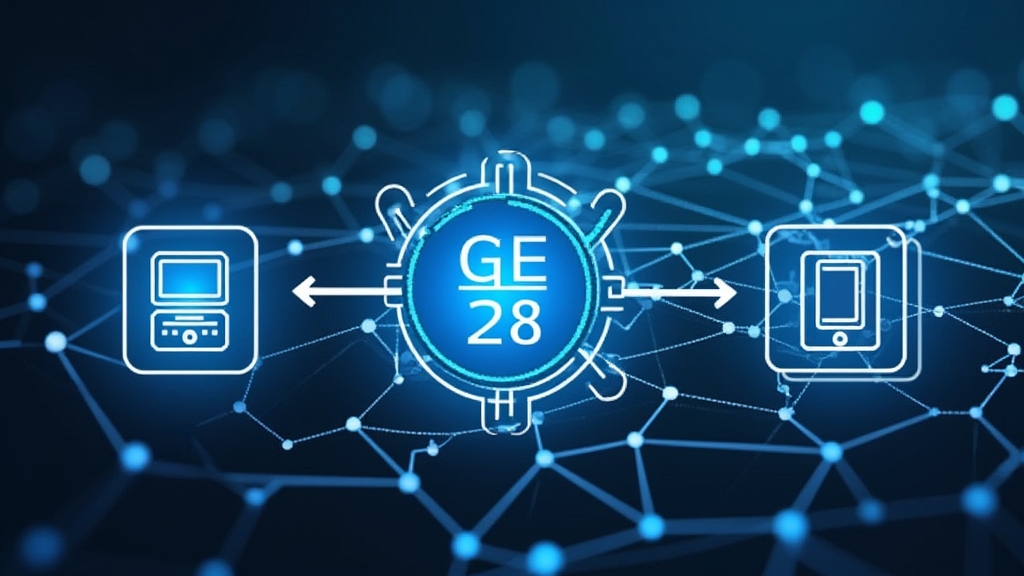
When beginning integration, developers must ensure that their current framework is supported by Generic 28. Compatibility checks provided by the Generic 28 tools can detect the architectural framework you're working with.
Once compatibility is confirmed, proceed with the installation of core modules aligning with project goals. This preliminary phase sets the foundation for leveraging Generic 28's extensive capabilities.
After primary setup, developers should prioritize embedding core Generic 28 features that align with the application's prime objectives. These can include performance enhancements, UI improvements, or backend efficiency tools.
Initiate rigorous testing at this stage to ensure no functionality is lost during integration. Utilizing Generic 28's inbuilt testing tools, developers can refine integration outcomes, ensuring seamless adaptation of all necessary features.
The mobile application sector is set to evolve significantly with the introduction of Generic 28's versatile platform, promising enhancements that align with forthcoming technological advancements. Developers are already witnessing improvements in flexibility and adaptability, key drivers of app innovation.
By leveraging Generic 28, app creators can align their projects with the future of mobile apps, characterized by faster processing speeds, diverse features, and extensive network compatibility. This progress positions the toolkit as a reliable partner in a developer's innovation pursuits.

Generic 28 is designed to accommodate anticipated shifts in technology, such as advances in IoT, augmented reality, and artificial intelligence. The app development landscape will leverage these disruptions, reshaping user interactions and expectations.
Developers can adapt to these changing conditions effortlessly as Generic 28 gradually evolves. Its architecture anticipates and supports these innovations seamlessly, providing a future-proof platform for continuous evolution in application design.
Sustainability in app development is vital, and Generic 28 ensures this through robust support options and continuous updates aligned with industry trends. This proactive approach empowers developers to keep their applications relevant for extended periods.
Moreover, the consolidation of security features and updates within the architecture shields applications from growing online threats. As digital landscapes shift rapidly, Generic 28 guarantees secure transitions into the next phases of mobile technology.
Across diverse app ecosystems, Generic 28 showcases its capacity to innovate and enhance applications in varied sectors, enhancing user experience and developer flexibility. From e-commerce platforms to social media networks, its functionalities resonate well with multiple market demands.
Below, we explore specific examples highlighting Generic 28's adaptability in real-world applications. These case studies further establish Generic 28's reputation as an enabler of efficient development outcomes and technological versatility in an ever-evolving market landscape.

For e-commerce applications, Generic 28 amplifies transactional functionalities, providing smoother operations and expanded payment gateway integrations. This flexibility improves transaction speed and accuracy, vital factors in maintaining consumer trust.
The system further enables personalized shopping experiences via data-driven insights and user behavior analysis, helping e-commerce platforms adapt to changing buyer preferences seamlessly.
Social media platforms benefit significantly from Generic 28's capacity to handle high data loads efficiently. Its data processing capabilities ensure that users have a responsive experience, free from lags or interruptions.
Enhanced media uploading functions and user interaction modules further facilitate connectivity and engagement across social media landscapes. This positions Generic 28 as a pivotal tool for boosting user satisfaction in platform interactions.
Starting with the correct setup process, developers can fully unlock the functionalities of Generic 28 by following a systematic guide designed for easy application. Each part of this step-by-step guide highlights the fundamental operations needed for thorough implementation.
These methods ensure that developers maximize Generic 28's offerings efficiently, avoiding potential pitfalls during application integration. With its clear and concise instructions, this guide simplifies an otherwise intricate transition, leading to a successful development process.

Begin the implementation by arranging all the necessary resources needed for installation. This includes preparing the development environments and systems where Generic 28 will be operated.
Once preparedness checks are completed, download and install the core package from the official source, ensuring alignment with your current version and project scope.
With the core package in place, focus on configuring features that align with your app's objectives, such as data management and user interaction tools, tailored to fit specific project demands.
By adjusting these tools, developers can not only meet project requirements but also streamline resource allocation, thus optimizing their application's performance with minimal overheads.
Despite its extensive benefits, incorporating Generic 28 may pose challenges to developers, particularly during the early phases of adoption. Knowledge of these potential hurdles ensures that developers can take preemptive measures for seamless integration.
Understanding common setbacks in utilizing new tools not only helps in troubleshooting but also strengthens the overall success rate of projects. In this section, we discuss some typical challenges developers encounter and provide strategies to effectively counteract them.

Occasionally, upon adoption, developers might face compatibility issues with older frameworks, halting progress. Ensuring that all systems are up-to-date and that compatibility checks are frequent helps mitigate this risk effectively.
Updating system libraries and regularly reviewing compatibility reports will ensure that apps operate coherently with Generic 28’s desired configurations, allowing for a smooth operational flow.
The introduction of highly advanced technologies like Generic 28 may initially intimidate teams due to its broad learning curve. Hosting workshops and training sessions can equip developers with essential skills to navigate the toolkit fluidly.
Additionally, an extensive repository of tutorial content and community forums provides developers with guides, reference materials, and peer support to overcome any learning challenges.
Generic 28 boasts myriad advantages, streamlining application processes across various platforms. Its cross-platform capabilities ensure that apps perform consistently, with minimal code redundancies and effective usage of available resources.
Developers can apply Generic 28 to customize apps in a manner that maximizes platform specs, enabling more robust, versatile solutions. This flexibility heightens user interaction while providing a detailed approach to app design that resonates with broad audience requirements.

Generic 28 adapts and maximizes each platform's capabilities, making the most of distinct features like iOS's intuitive interface gestures or Android's extensive customization options. Through these adaptations, apps become more practical, meeting specific platform's user needs.
Such integrations contribute further to an improved user experience, showcasing adaptability paired with real-time updates at available scaling opportunities. It brings out the full potential of the capabilities of individual operating systems.
The incorporation of native elements within apps through Generic 28 results in fluid and consistent user navigation. App functionalities seamlessly blend with platform UI/UX aspects, producing intuitive and interactive user interfaces.
Enhancing user experience via system optimizations encourages better app retention rates. Developers prioritize user-centric design principles, aligned with Generic 28's seamlessly integrated features, establishing a superior experience across varied platforms.
Advantages
Drawbacks